
Maintaining operational efficiency in industrial systems often hinges on the reliability of small yet crucial components such as heat exchanger gaskets. These sealing elements, typically made from elastomeric...


Maintaining operational efficiency in industrial systems often hinges on the reliability of small yet crucial components such as heat exchanger gaskets. These sealing elements, typically made from elastomeric...

As consumer interest in healthier alternatives to traditional sugary beverages continues to grow, the debate surrounding the differences between Coke Zero and Diet Coke has become increasingly relevant. Both...

Though they appear strikingly similar to the untrained eye, alligators and crocodiles are two distinct reptiles that diverge in several critical ways, from their physical features and behaviors to their...
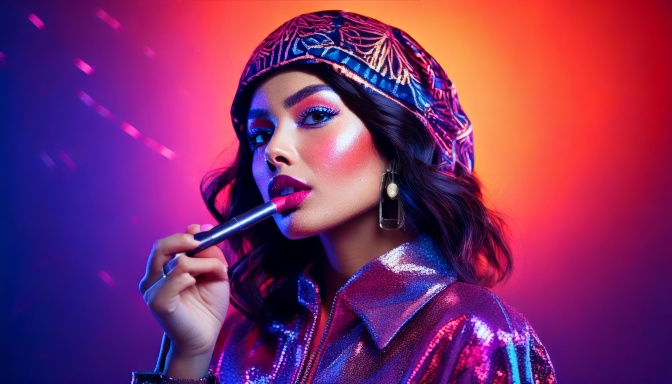
The search for the perfect lip color is not simply a matter of aesthetic preference; it is an exploration of personal identity, skin tone, undertones, and occasion. Lipstick, gloss, stain, or balm can...

The choice of a car often reflects much more than the simple need for mobility. It is an expression of personality, lifestyle, and priorities. For many women in the United States, selecting the ideal vehicle...
As consumer interest in healthier alternatives to traditional sugary beverages continues to grow, the debate surrounding the differences between Coke Zero and Diet Coke has become increasingly relevant. Both products...
The search for the perfect lip color is not simply a matter of aesthetic preference; it is an exploration of personal identity, skin tone, undertones, and occasion. Lipstick, gloss, stain, or balm can completely...


Understanding the nuanced distinction between the terms “woman” and “lady” requires a close examination of not only their linguistic roots but also their cultural implications, historical...
The digital landscape has transformed how women access, share, and contribute to knowledge, and one of the most significant mediums that has emerged in this evolution is the blog—a dynamic platform for female voices, perspectives, and community engagement. A blog designed specifically for women serves as more than just a digital diary or content archive; it is a tailored information ecosystem that addresses the unique experiences, interests, and challenges that women navigate across personal, professional, and social spheres. The definition of a women-focused blog is deeply rooted in its intention to inform, empower, and connect. Whether it's centered on motherhood, health, entrepreneurship, relationships, style, wellness, or societal roles, such a blog becomes a repository of curated knowledge shaped by lived experience, expert insights, and cultural relevance. Unlike traditional media outlets, blogs allow for real-time interaction and grassroots participation, giving women the opportunity to not only consume content but also shape discourse through comments, guest contributions, and community forums. These platforms often balance storytelling with data, offering advice that is emotionally resonant and practically applicable, reflecting both the diversity of female identity and the specificity of daily life. A blog designed for women is not defined by a singular topic but rather by its approach—one that centers empathy, clarity, and relevance in a way that speaks directly to the reader’s concerns, goals, and aspirations.
A blog targeting women operates at the intersection of digital communication and gender empowerment, functioning as a modern tool for accessing vital information in an environment often shaped by inclusivity and relatability. In a media world historically dominated by top-down content delivery, the democratization of online publishing has opened new avenues for women to author their narratives, offer guidance, and seek collective wisdom. A woman-centered blog acts as both a mirror and a window, reflecting the personal realities of its audience while providing broader insights into health, finance, career planning, mental wellness, and personal development. These blogs typically emphasize community engagement and authenticity, values that resonate strongly with readers seeking more than generic advice. Whether a woman is searching for fertility information, leadership strategies, or ethical fashion inspiration, she is more likely to trust a platform that aligns with her values and is authored by voices with whom she identifies. This trust, built through consistency, tone, and transparency, becomes the bedrock of influence for many female bloggers who position themselves as mentors, experts, or confidantes. Unlike corporate-driven sites that aim for mass appeal, women-focused blogs often cultivate intimacy and specificity, tailoring their content to life stages, cultural backgrounds, and emerging challenges.
The breadth of topics covered on a women’s blog reflects the multifaceted roles women hold in society and their corresponding information needs. A single blog might address topics as varied as menstrual health, workplace equity, nutritional advice, parenting challenges, beauty trends, book reviews, travel guides, and personal finance. This diversity is not accidental; it mirrors the reality that women often juggle interconnected identities and responsibilities. The advantage of a blog format is that it allows for seamless blending of professional commentary with anecdotal experience, offering a more holistic perspective that resonates across contexts. For instance, an article about returning to work post-maternity might incorporate expert opinions from psychologists, policy analysis about workplace legislation, and personal anecdotes from the blogger herself, creating a comprehensive resource that feels both accessible and authoritative. Moreover, the comment sections, social sharing tools, and email subscriptions attached to these blogs further enhance reader engagement, allowing users to become contributors to the ongoing dialogue. These elements foster a collaborative information environment that evolves organically based on user feedback, trending issues, and emerging societal shifts.
From a technical standpoint, a successful blog aimed at women must also be optimized for visibility and search relevance in order to effectively reach its intended audience. This requires a thoughtful application of search engine optimization (SEO) principles, including keyword variation, semantic relevance, metadata structure, and content formatting. The challenge in optimizing content for women’s interests lies in balancing specificity with breadth. Keywords like “women’s health” or “mom blog” are high-volume but hypercompetitive, while long-tail keywords such as “natural remedies for hormonal acne during perimenopause” offer a more targeted pathway to organic traffic. Effective blog authors in this niche understand how to weave keywords naturally into narratives without diminishing readability or authenticity. They use SEO not to manipulate algorithms, but to ensure that women searching for support, knowledge, or inspiration can easily find their content. The structure of headings, image alt tags, internal linking, and mobile responsiveness also plays a vital role in user experience and retention, particularly given the high percentage of female readers who access content via smartphones and tablets. A women-focused blog that is optimized for both discoverability and accessibility not only extends its reach but also enhances its impact as a digital resource.
Another defining characteristic of an information blog for women is its commitment to representation and inclusion, ensuring that its content reflects the diversity of its readership in terms of race, age, body type, gender identity, socioeconomic status, and lived experience. Many of the most trusted and impactful women’s blogs actively challenge stereotypes and avoid monolithic narratives, instead embracing pluralism as a strength. Whether discussing fashion or fertility, mental health or entrepreneurship, the best of these blogs recognize that there is no single “female experience.” By amplifying underrepresented voices, inviting diverse guest contributors, and addressing intersectional issues, they create a richer, more equitable information environment. Cultural sensitivity also plays a critical role, particularly when covering topics that intersect with religion, ethnicity, or regional norms. For example, advice on family planning may vary widely depending on cultural context, and responsible blogs take care to present information that is both accurate and adaptable to different belief systems and values. This commitment to ethical communication deepens trust, expands audience reach, and aligns the blog with broader movements for gender justice and digital ethics.
For many female bloggers, maintaining a women-focused blog is not just a creative outlet or a community-building project; it is also a professional enterprise with potential for income generation and brand collaboration. The business model of such blogs may include affiliate marketing, sponsored posts, digital product sales, membership subscriptions, and ad revenue. What distinguishes monetization in this space is the emphasis on authenticity and value alignment. Female bloggers often maintain strict guidelines about the types of products or brands they promote, ensuring that any commercial content supports rather than dilutes the trust they’ve built with their readers. This approach has given rise to the influencer economy, where blogs become platforms for both personal storytelling and curated endorsements. Women-owned blogs also contribute to the larger narrative of digital entrepreneurship, showcasing how passion-driven content can evolve into full-scale businesses that generate employment, drive innovation, and redefine work-life balance on their own terms. Whether run by a solo founder or a small editorial team, these platforms demonstrate that women's perspectives hold not only cultural but also commercial value in the digital marketplace.
Beyond commerce and connection, blogs designed for women frequently operate as tools of education and advocacy, using the power of narrative and information to promote awareness, challenge injustice, and mobilize collective action. A post about domestic violence laws, period poverty, or workplace discrimination might not only inform readers but also link them to petitions, nonprofit organizations, and resources for legal or emotional support. Blogs have been instrumental in catalyzing feminist discourse online, contributing to broader movements like #MeToo and body positivity, and providing safe spaces where women can voice experiences often silenced in mainstream media. In regions where traditional education or public health access is limited, blogs become even more vital, offering free and reliable information on topics ranging from contraception to career planning. As such, these platforms serve as both personal and political spaces, blending the personal power of storytelling with the public power of information dissemination. Their impact lies not just in page views but in changed minds, supported lives, and informed choices.


