
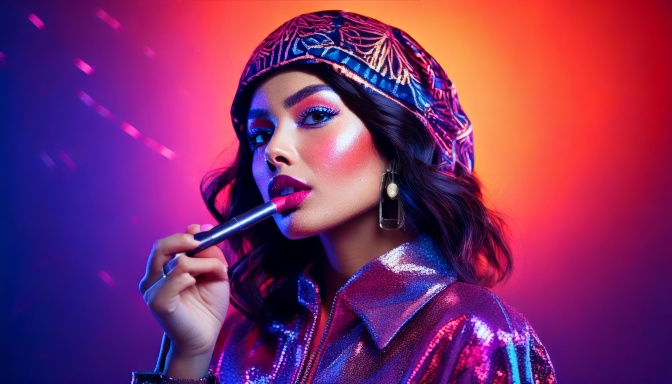
The search for the perfect lip color is not simply a matter of aesthetic preference; it is an exploration of personal identity, skin tone, undertones, and occasion. Lipstick, gloss, stain, or balm can completely transform the face, elevate a look, or quietly complement a natural style. In the expansive world of cosmetics, lip color remains one of the most immediate and impactful elements of self-expression. The question of what lip shade suits an individual best involves understanding both physical traits and emotional cues—what makes one feel confident, radiant, and true to their style. This decision is as nuanced as the variety of products on the market, where subtle differences in hue can define the mood and tone of an entire ensemble.
Understanding Skin Tone and Undertone
The foundation for choosing the most flattering lip color starts with understanding the difference between skin tone and undertone, both of which influence how colors appear on the lips. Skin tone refers to the surface color of the skin—light, medium, tan, deep—while undertone speaks to the underlying hue, which can be cool, warm, or neutral. Cool undertones typically feature pink, red, or bluish hints, and people with this characteristic often burn before they tan. Warm undertones show more yellow, peach, or golden hues and tend to tan easily. Neutral undertones blend both cool and warm qualities. Knowing one’s undertone is essential because it can determine whether a shade looks vibrant or dull, sophisticated or overpowering. Lipsticks with blue-based reds, berries, or mauves often enhance cool undertones, while those with orange, coral, or warm brown notes tend to suit warm complexions. A balanced nude with equal parts warm and cool pigments can flatter neutral skin, providing a natural, effortless finish.
Complementing Natural Features with Lip Color
Beyond skin undertone, the natural color of the lips, eyes, and hair plays a significant role in harmonizing with lip color. Individuals with naturally rosy lips may find that certain sheer pinks or soft berries enhance rather than mask their existing pigment. Those with paler lips may prefer bolder shades to create contrast and definition. Eye color also influences what tones will complement a face. For example, green eyes often stand out against rich plums and deep rose tones, while brown eyes are flattered by coppery reds and warm pinks. Hair color adds another dimension—blondes may gravitate toward soft pinks or peachy tones, while brunettes often find that deeper shades like crimson or wine enhance their features. Redheads, particularly those with freckles and fair skin, often shine in terracotta or burnt sienna hues, which echo the warmth in their complexion without overpowering it.
The Role of Occasion and Lighting
The context in which a lip color is worn is equally important. Daylight tends to amplify the natural intensity of color, making certain bold shades appear brighter than intended. For daytime wear, soft neutrals, gentle pinks, or muted rose tones offer a polished yet understated look that works well in professional or casual settings. In contrast, evening occasions allow for experimentation with richer, more dramatic hues. The dim, flattering glow of artificial lighting pairs beautifully with classic reds, dark berries, or high-gloss finishes that command attention. Special events, photoshoots, or formal occasions provide the perfect setting for a statement lip that becomes the focal point of the look. On the other hand, fitness classes, beach days, or travel days may call for barely-there tints or hydrating balms with a hint of color, prioritizing comfort and wearability without sacrificing elegance.
Texture, Finish, and Longevity
Choosing the best lip color is not just about shade but also about texture and finish, which affect the overall impact and feel of the product. Matte lipsticks offer intense pigment and a long-lasting, velvety look, ideal for bold color statements or photo-ready makeup. However, they can be drying, making them less comfortable for all-day wear, especially in cooler climates. Cream and satin finishes provide a balance between color payoff and hydration, suitable for both everyday and formal occasions. Glossy finishes reflect light and give a youthful, plump effect to the lips, making them a favorite for those seeking a fresh, dewy aesthetic. Lip stains and tints, meanwhile, offer a natural look that mimics the flush of real lip color, perfect for those who favor minimalist beauty or want low-maintenance wear that fades gracefully throughout the day. Lip liners, often overlooked, can also change the perception of a shade, refine the lip shape, and extend the longevity of any product applied on top.
Psychological Influence and Personal Style
Lip color also communicates emotion, mood, and even personal philosophy. A woman reaching for a bright red lipstick may be signaling confidence, sensuality, or assertiveness. A sheer nude may indicate subtlety, ease, and a no-fuss attitude. Those who favor unusual shades like deep plum, jet black, or even blue may be expressing artistic rebellion or a desire to stand out from the norm. Personal style, often influenced by lifestyle, fashion preferences, and professional environment, heavily determines which colors become signature favorites. A minimalist wardrobe may pair best with neutral or monochromatic tones, while a vibrant, eclectic style opens the door to more adventurous hues. Importantly, no single shade defines the wearer completely; instead, the best lip colors act as extensions of the self, adaptable to shifts in mood and context.
Cultural Trends and Seasonal Shifts
Trends in beauty and fashion constantly evolve, and lip color preferences often shift with cultural moments, celebrity influence, and seasonal palettes. Spring and summer usually introduce lighter, brighter colors—corals, pinks, and glossy peach tones that reflect blooming landscapes and warmer weather. Fall and winter bring in richer, deeper shades like burgundy, chocolate, and wine, resonating with the darker tones of the season and the layering of textures in clothing. Fashion runways and social media influencers contribute to the rise of specific shades or formulations, but individual skin tone and comfort should always guide the final decision. The popularity of clean beauty has also elevated the importance of ingredient-conscious choices, with more women seeking lip colors free from parabens, artificial dyes, or synthetic fragrances, choosing instead organic and cruelty-free formulations that align with ethical values.
Trial, Experimentation, and Confidence
Finding the best lip color is often a journey of experimentation, self-discovery, and evolving preferences. What once felt too bold may become a favorite years later, as confidence grows and personal tastes shift. Visiting cosmetic counters, trying on samples, or using virtual try-on apps can aid in narrowing down options, especially when navigating between subtle variations of the same shade. Lighting, application technique, and even the condition of the lips can affect how a product looks, making exfoliation and lip care essential parts of the beauty routine. Above all, the most flattering lip color is one that enhances rather than hides, celebrates rather than conforms. It should uplift the wearer, match their voice, and bring joy when applied. Whether soft and whispering or bold and unapologetic, the right lip color becomes not just a cosmetic but a daily affirmation of style, strength, and individuality.