
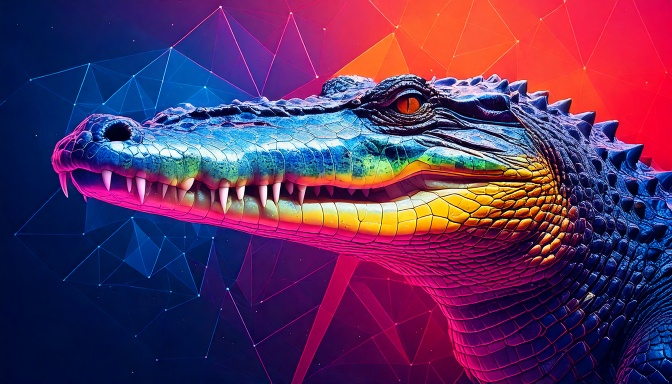
Though they appear strikingly similar to the untrained eye, alligators and crocodiles are two distinct reptiles that diverge in several critical ways, from their physical features and behaviors to their habitats and evolutionary history. These powerful predators have fascinated scientists, nature enthusiasts, and casual observers for centuries due to their ancient lineage, stealthy movements, and formidable bite. Their similarities are often the result of shared ancestry within the order Crocodylia, but key differences exist at the family level, with alligators classified under Alligatoridae and crocodiles belonging to Crocodylidae. Understanding what sets them apart requires a close look at their anatomy, geographical distribution, environmental preferences, and behavioral traits—each shaped by millennia of adaptation to specific ecological niches.
Physical Features and Morphological Differences
The most readily observable difference between these two reptiles lies in the shape of their snouts. Alligators typically have a broad, U-shaped snout that is wide and rounded at the end, resembling a shovel. This structure is advantageous for crushing hard-shelled prey such as turtles and is more commonly seen in freshwater environments. In contrast, crocodiles have a longer, V-shaped snout that is narrower and more pointed, adapted for a more generalized diet and found in both freshwater and saltwater habitats. This anatomical difference not only influences their feeding habits but also serves as a primary visual cue for identification. Another notable feature is the visibility of their teeth when their mouths are closed. In alligators, the upper jaw is wider than the lower, meaning the lower teeth are largely hidden when the mouth is shut. Crocodiles, on the other hand, have upper and lower jaws of similar width, which causes the fourth tooth on each side of the lower jaw to protrude visibly when the mouth is closed, giving them a more menacing appearance.
Geographic Distribution and Habitat Preferences
Geography provides another clear point of distinction. Alligators are primarily native to the United States and China, with the American alligator found predominantly in the southeastern United States, especially in states such as Florida, Louisiana, Georgia, and Texas. The Chinese alligator, a smaller and much rarer species, inhabits parts of the Yangtze River basin and is critically endangered. Crocodiles, however, enjoy a broader and more globally dispersed range. They are found across Africa, Australia, Southeast Asia, Central and South America, and parts of southern Florida, where the American crocodile resides. In terms of habitat, alligators favor freshwater environments like swamps, marshes, rivers, and lakes. Crocodiles are more versatile and can tolerate brackish and even full saltwater due to specialized glands in their tongues that excrete excess salt—a physiological trait that gives them access to coastal regions and river deltas. This salt-tolerant adaptation is one reason crocodiles have colonized a wider range of environments globally.
Behavioral Traits and Temperament
Behaviorally, there are subtle yet meaningful differences between alligators and crocodiles, particularly concerning their temperament and aggression. Alligators are generally considered less aggressive toward humans and are more likely to retreat when approached, unless provoked or defending a nest. Human-alligator encounters in populated areas are not uncommon in the southeastern U.S., but they rarely result in fatalities. Crocodiles, by contrast, have a more aggressive reputation and are involved in more attacks on humans, especially in regions where large species such as the Nile crocodile or saltwater crocodile are prevalent. These species are highly territorial and can become particularly dangerous near nesting sites or if they perceive a threat. The feeding behavior of crocodiles also reflects this heightened aggression, with their tendency to launch ambush attacks from the water’s edge, capturing prey with explosive force before engaging in a death roll to disorient and dismember their catch.
Coloration, Size, and Growth Patterns
Another area of distinction lies in coloration and physical dimensions. Alligators usually display a darker, blackish-grey appearance, which blends well with the murky freshwater environments they inhabit. Their coloration helps them remain concealed from both predators and prey. Crocodiles, meanwhile, tend to be lighter in tone, with a greenish-brown or olive hue, often mottled with dark markings that provide camouflage in coastal and estuarine settings. In terms of size, crocodiles tend to grow larger than alligators. The largest species of crocodile, the saltwater crocodile, can reach lengths exceeding 20 feet and weigh more than 2,000 pounds, making it the largest living reptile. American alligators generally max out at around 13 to 15 feet, with significantly lower average weights. Both species continue growing throughout their lives, although their growth rate slows considerably after reaching maturity.
Evolutionary Biology and Ancestral Lineage
From a biological perspective, alligators and crocodiles diverged millions of years ago, despite sharing a common ancestor. Crocodiles are considered to be more evolutionarily advanced in terms of anatomical and physiological adaptations. Their ability to thrive in saltwater habitats, for instance, grants them access to more diverse ecological zones, contributing to their broader geographic spread. Fossil records indicate that members of the Crocodylia order have existed for over 200 million years, surviving mass extinctions and drastic shifts in the planet’s climate. While both alligators and crocodiles are part of this ancient lineage, their evolutionary paths have tailored them to survive in specific environmental conditions, which is reflected in their modern anatomical differences and habitat choices.
Reproductive Behavior and Lifecycle
The reproductive behaviors of these reptiles reveal more nuances. Both species lay eggs in nests, usually made from mud, vegetation, and other organic material. Temperature plays a vital role in determining the sex of the offspring—a phenomenon known as temperature-dependent sex determination. Warmer nest temperatures tend to produce males, while cooler conditions result in females. However, the level of parental care varies. Female alligators are known for being attentive mothers, often guarding their nests vigilantly and even helping hatchlings reach the water after birth. This high level of maternal investment enhances the survival rate of young alligators in the wild. Crocodile mothers also display protective behavior, though the extent and consistency can vary by species. The incubation period for both is around 65 to 90 days, depending on environmental conditions.
Diet, Hunting Strategies, and Ecological Roles
In the wild, both animals serve as apex predators within their ecosystems, playing critical roles in maintaining ecological balance. Their diets are largely carnivorous, consisting of fish, amphibians, birds, and mammals. While both are opportunistic feeders, crocodiles are often more aggressive hunters due to their larger size and broader habitat range. They can take down larger prey such as wildebeests or zebras near riverbanks, particularly in African regions. Alligators tend to focus on smaller prey, although they can capture larger animals when the opportunity arises. Their hunting strategy involves stealth and ambush, using their powerful tails for propulsion and strong jaws to clamp down on prey with immense force. Their presence helps control populations of various species, contributing to the health and diversity of wetland ecosystems.
Conservation Status and Human Impact
Conservation efforts have had differing levels of success with these reptiles. American alligators were once on the brink of extinction due to unregulated hunting and habitat destruction, but legal protections and active management programs have led to a significant population rebound. Today, they are considered a conservation success story and are classified as “least concern” by the IUCN. Crocodiles, depending on the species, face varying levels of threat. Some, like the saltwater crocodile, have stable populations, while others such as the Philippine crocodile are critically endangered due to habitat loss and illegal hunting. Human activities, including urban development, pollution, and climate change, continue to affect both alligators and crocodiles, underscoring the importance of continued monitoring and habitat preservation.